

 Polski
 Deutsch
 Français
 Español
 Русский
 English
 Truck
Truck
 Tractor
 Bus
Bus
 Commercial
 Semi-trailer

- Lamiro
- Vehicle Operation & Maintenance Tips
- 0 likes
- 10106 views
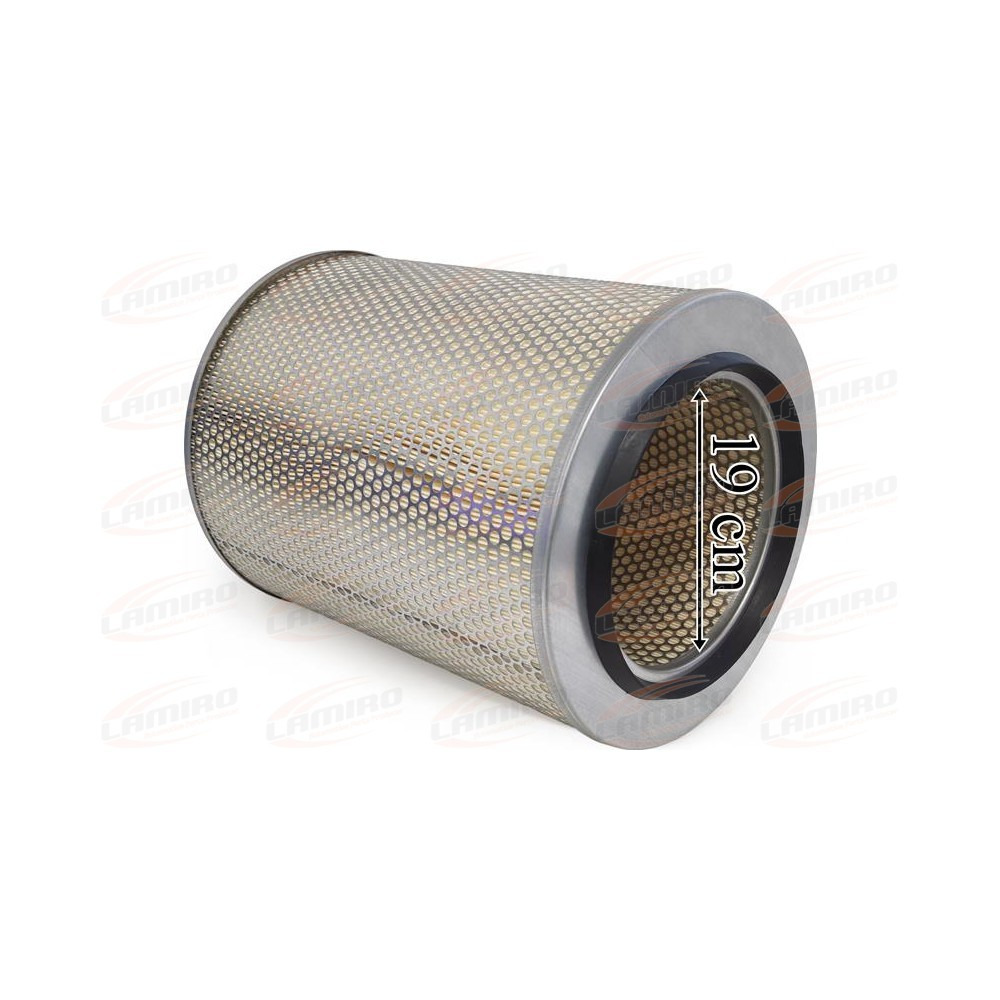
Regular replacement of the air filter can not only improve your car’s performance but also contribute to fuel savings and better air quality inside the cabin.
Air Filter – Key Information
Replacing the air filter is one of those maintenance tasks that may seem secondary but is crucial for the proper functioning of your vehicle. How often you replace the air filter significantly impacts engine longevity, improves fuel efficiency, and ensures better air quality inside the cabin. The air filter is usually located in a plastic housing on top of or beside the engine.
How to Recognise When the Air Filter Needs Replacing?
Identifying when your air filter needs replacing is key to keeping your car in top condition. Here are some signs indicating it’s time for a replacement:
- - Reduced engine performance: If you notice your car losing power or responding slowly to throttle input, the air filter might be clogged.
- - Increased fuel consumption: A dirty filter disrupts the fuel-air mixture, leading to higher fuel usage.
- - Unpleasant odour: A sudden bad smell in the cabin could indicate a clogged cabin air filter.
- - Dirty appearance: Regular checks of the filter’s condition will allow you to visually assess its cleanliness. If it looks heavily soiled, it’s time for a replacement.
Types of Air Filters in Vehicles
- Paper filters: The most common type, thanks to their low cost and effective filtration. These are disposable and need regular replacement.
- Cotton filters: High-quality reusable filters that can be cleaned and reinstalled.
- Foam filters: Suitable for dusty conditions. These can also be reused after cleaning.
- Carbon filters: Feature an additional activated carbon layer to reduce unpleasant odours and harmful gases.
Why is Regular Air Filter Replacement Important?
The air filter traps contaminants from the air drawn into the engine, preventing them from entering the combustion chamber. This is crucial for protecting internal engine components from wear and damage. A clean air filter ensures optimal airflow, which translates into better fuel combustion efficiency and engine performance. Additionally, a cabin air filter – responsible for the quality of air inside the car – protects passengers from harmful pollutants, pollen, and bacteria.
Which Filters Should You Replace During an Oil Change?
During an oil change, in addition to replacing the oil, several filters crucial for the engine’s performance and longevity are often replaced as well.
Filters to Replace During an Oil Change:
- - Oil filter,
- - Air filter,
- - Fuel filter,
- - Cabin filter,
- - Crankcase breather filter.
What Are the Risks of Neglecting Air Filter Replacement?
First, neglecting to replace the air filter can lead to increased fuel consumption. Secondly, it can result in engine damage. Contaminants that the filter would normally trap can enter the engine, potentially causing significant internal damage. Lastly, failing to regularly replace the cabin air filter exposes passengers to polluted air, which can negatively impact health, particularly for individuals with allergies or respiratory issues.
Conclusion
Knowing when and why to replace your air filter is essential. Regular air filter replacement prevents contaminants from entering the engine, enhances fuel combustion efficiency, and reduces wear on internal components.
Don’t neglect air filter replacement to avoid issues such as increased fuel consumption, engine damage, or poor cabin air quality, which can affect passenger comfort and health. Truck parts, including air filters, are available for purchase online. Check out our range at: